Key Takeaways
- The Henoko boat accident was not just a maritime mishap. It happened where long-running anti-base protest activity and a school peace-education program overlapped in a high-risk sea area.
- The central issue is not simply whether one supports or opposes the Henoko relocation plan. The sharper question is whether adults running a politically charged field operation gave student safety the priority it required.
- The case also raises broader questions about how schools assess external partners, how risk becomes normalized in long-running activist environments, and how safety standards can erode when “this is how we always do it” replaces formal oversight.
News
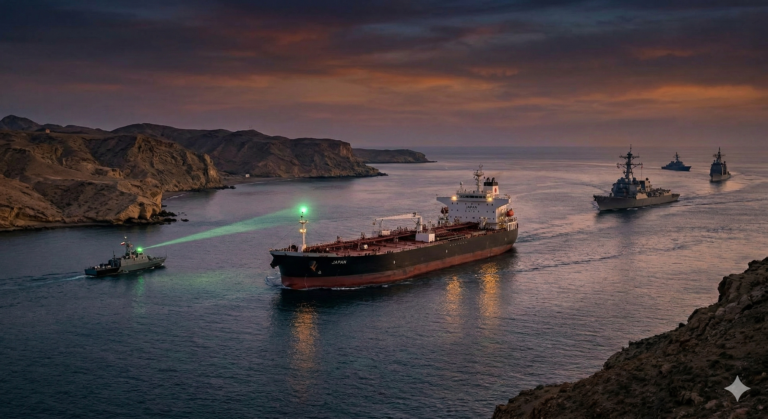
On March 16, 2026, two small boats carrying students from Doshisha International Senior High School in Kyoto capsized off Henoko in Nago, Okinawa Prefecture, killing a 17-year-old girl and a 71-year-old captain. A total of 21 people were on board, including 18 students who were visiting the area as part of a school peace-education program during their class trip.
According to the 11th Regional Coast Guard Headquarters, the smaller boat capsized first, and the second boat overturned shortly afterward, apparently during rescue efforts. Authorities believe the vessels were hit by side waves, and Japanese media have reported that the deceased student’s life jacket may have become caught on the overturned boat. The Coast Guard is investigating possible professional negligence and has searched parties connected to the operating group.
Background
Why Henoko Has Remained a Protest Flashpoint
Henoko has remained politically explosive because it sits at the center of a long-running dispute over the relocation of U.S. Marine Corps Air Station Futenma. Many in Okinawa see the plan not as base reduction, but as the relocation of military burden from one part of the prefecture to another. Okinawa Prefecture continues to frame the issue around the heavy concentration of U.S. military facilities on the islands and the unequal burden borne by local communities.
Tokyo, however, continues to argue that relocating Futenma to Henoko is the practical way to avoid leaving the air station in a densely populated urban area while maintaining the stable presence of U.S. forces in Japan. The Japanese government has repeatedly described the Henoko relocation as the only solution that avoids the continued use of Futenma.
That gap in perception is what made Henoko more than just a construction site. It became a place where national security policy, local democracy, protest activism, and peace education all intersected.
A Risky Field Became Routine
One of the most important questions in this case is how risk was understood by the people operating in the area. A wave advisory was in effect on the day of the accident, yet school officials later said the final decision to sail had been left to the captains. Reporting also suggests the operating side emphasized its own practical standards rather than treating the advisory itself as an automatic stop signal.
That matters because it suggests the real issue was not simply that an advisory existed, but that sailing under advisory conditions may already have become normalized. In a coastal environment where rough-sea advisories can be relatively common, an activist group used to working offshore may have come to view those warnings as manageable rather than disqualifying. The harder question is whether that same field judgment was then applied to a school activity involving minors.
What the Coast Guard Warning May Tell Us
Japanese media also reported that the Coast Guard had called on the boats to navigate safely before the accident. This detail matters not only because it suggests a warning was issued, but because it may reflect something broader: Henoko waters were already a heavily monitored zone where Coast Guard vessels and anti-base protest boats were accustomed to encountering each other.
That possibility changes how the event should be read. The problem may not have been one dramatic warning ignored in a single moment. It may have been a pattern in which repeated warnings, repeated encounters, and repeated operations gradually reduced the psychological weight of danger. In long-running conflict zones, even clear signs of risk can become part of the background.
Analysis
School Dependence on External Judgment
The school’s explanations raised serious questions about oversight. Reports indicated that no teachers were on board the boats, and that the school had not confirmed whether the vessels had the necessary registration for passenger transport. There were also questions about whether the school fully understood, or fully explained, that the boats had been used in anti-base protest activity.
This matters because the students were not there as protest participants. They were there under a school program. Once a school trip is connected to an operational environment shaped by activism, safety standards should become stricter, not looser. The basic questions are simple: Who was operating the boats, what legal and insurance protections existed, what safety standards were used, and why were teachers not physically present on board? If those questions were not answered rigorously in advance, then the language of peace education cannot substitute for a school’s duty of care.
Structural Blind Spots in Boats and Rescue Planning
The accident also exposed how incomplete safety planning can be even when basic equipment is present. All passengers reportedly wore life jackets, yet media reports said the deceased student’s life jacket may have caught on the overturned boat. That suggests the problem was not only whether safety gear existed, but whether the vessel structure, rescue assumptions, and emergency escape scenarios had been thought through in detail.
The fact that the second boat also capsized while apparently trying to assist the first points to another structural weakness: emergency response planning in rough water. Maritime safety is not only about preventing the first accident. It is also about preventing the first accident from triggering a second one. In a politically tense offshore setting where small craft had been used repeatedly, the line between routine operation and compounded disaster may have been thinner than participants realized.
A Valid Cause Does Not Guarantee Valid Methods
Opposition to the Henoko relocation plan has clear historical and political roots. Okinawa’s burden-sharing grievance is real, and the prefecture’s opposition to the relocation plan is well documented. But even when a cause has a legitimate basis, that does not automatically validate every method used in its name.
That distinction is essential here. The sharpest issue is not whether anti-base activism itself is justified. The sharper issue is whether the operational side of that environment met the standard required to protect schoolchildren. If the boats lacked the proper registration for passenger service, if the school failed to verify that, and if rough-sea judgment rested largely on activist field experience, then the problem extends beyond one bad decision. It becomes a question of whether activism and education were linked together without enough legal, structural, and safety discipline.
What This Accident May Change
This incident is likely to affect both anti-base protest methods and school peace-education practices. On the protest side, scrutiny of offshore protest operations is likely to intensify, especially if negligence or regulatory violations are formally established. On the education side, schools may rethink whether direct field exposure in politically charged and physically risky environments is worth the danger, particularly when minors are involved.
The broader consequence may be reputational as well as legal. Once a fatal accident occurs in a setting tied to both activism and education, public debate often shifts away from the original political claim and toward the credibility, discipline, and judgment of the people running the operation. That shift may prove difficult for all parties involved.
Conclusion
The Henoko boat capsizing accident should not be understood as a random tragedy at sea. It emerged from the overlap of a long-running protest environment, normalized offshore risk, school reliance on external operators, and weak safety boundaries in a politically charged setting.
The defining issue is not simply whether one supports or opposes the Henoko relocation plan. The defining issue is whether the adults who controlled the setting treated student safety as the absolute priority. Any political cause, however strongly believed, fails that test when minors are placed in harm’s way under standards that would not be acceptable in an ordinary school activity.
Reference Links
2 dead after 2 boats carrying students capsize off US base construction site in southern Japan
17-Year-Old Girl and Captain Die After Being Thrown into Water When 2 Boats Capsize on School Trip
Speeches by the Foreign Minister MOTEGI Toshimitsu
Map of U.S. Military Bases in Okinawa
Japan-U.S. Security Arrangements
Henoko Boat Tragedy Raises Questions Over Safety and ‘Peace Education’