Introduction: The Reality Behind the Monster
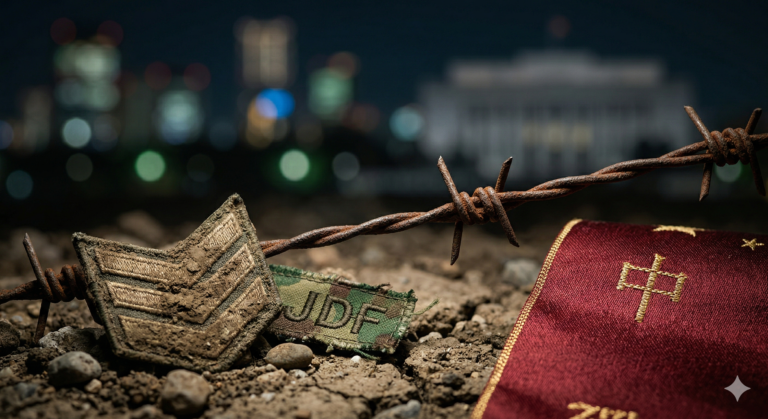
Shin Godzilla, the 2016 masterpiece directed by Hideaki Anno, is back in U.S. theaters. While many fans celebrate the re-release as a major cinematic event, the film’s deeper meaning cannot be overlooked. For Japanese audiences, this is not just a monster movie—it is a reflection of the trauma left by the 2011 Fukushima nuclear disaster.
As Variety notes, the film’s return highlights its enduring relevance, but behind the fiction stands a very real shadow.
Global Reaction vs. Japanese Reality
International media outlets have highlighted how Shin Godzilla reappears at a time when global debates over nuclear energy are reignited. For many critics, the re-release serves as a reminder of how Japan faced its greatest modern crisis.
However, the horror depicted in the film is not just the creature itself, but the paralysis of the government—a direct satire of what actually happened in 2011.
What Happened at Fukushima?
To understand the movie, one must understand the reality. On March 11, 2011, a massive earthquake and tsunami struck Japan’s northeast coast. At the Fukushima Daiichi Nuclear Power Plant, the tsunami flooded the emergency generators, causing cooling systems to fail.
This led to a core meltdown in several reactors. Radioactive material leaked into the air and ocean, forcing over 150,000 residents to evacuate. As reported by the BBC, the world watched anxiously, fearing radiation could even reach Tokyo.
The “Fukushima 50” and the Movie’s Heroes
In the movie, a group of bureaucrats and outcasts band together to freeze Godzilla. This mirrors the real-life “Fukushima 50″—the frontline workers who stayed behind amid high radiation levels to stabilize the reactors.
In a desperate, last-ditch effort, seawater was pumped into the reactor cores to cool them down. Just like in the film, their actions prevented the disaster from escalating into an unthinkable global catastrophe.
Godzilla as a Metaphor for Bureaucracy
The Fukushima accident revealed serious flaws in Japan’s crisis management:
- Vulnerable backup power systems.
- Poor crisis communication among leaders.
- A dangerous reliance on the “Safety Myth” that ignored worst-case scenarios.
Shin Godzilla mirrors this perfectly. The slow-moving bureaucracy, chaotic emergency meetings, and the hesitation to make decisions depicted in the movie reflect the real struggles of the Japanese government in 2011.
Conclusion
The re-release of Shin Godzilla is more than just entertainment. It is a cinematic reminder of human error, systemic failure, and the risks that still remain in our modern world.
Godzilla is the symbol of nuclear fear. Fukushima is its reality. The lesson is one the world cannot afford to forget.